
Introduction
In our fast-paced digital society, electronic devices have become essential to our daily lives. However, the rapid pace of technological advancement has led to a troubling increase in electronic waste (e-waste), which poses significant environmental challenges. One effective way to combat this issue is through the promotion of repairable devices. In this article, we will explore how repairable devices can significantly reduce electronic waste, the benefits they offer, and practical steps consumers can take to support a more sustainable future.
Understanding Electronic Waste
According to the Global E-Waste Monitor, an estimated 53.6 million metric tons of e-waste was generated in 2019, and this number is expected to reach 74 million metric tons by 2030. E-waste encompasses discarded electrical and electronic devices, including computers, smartphones, and home appliances. The environmental impact of e-waste is profound, with toxic materials such as lead, mercury, and cadmium posing serious health risks to both humans and wildlife.
The Role of Repairability
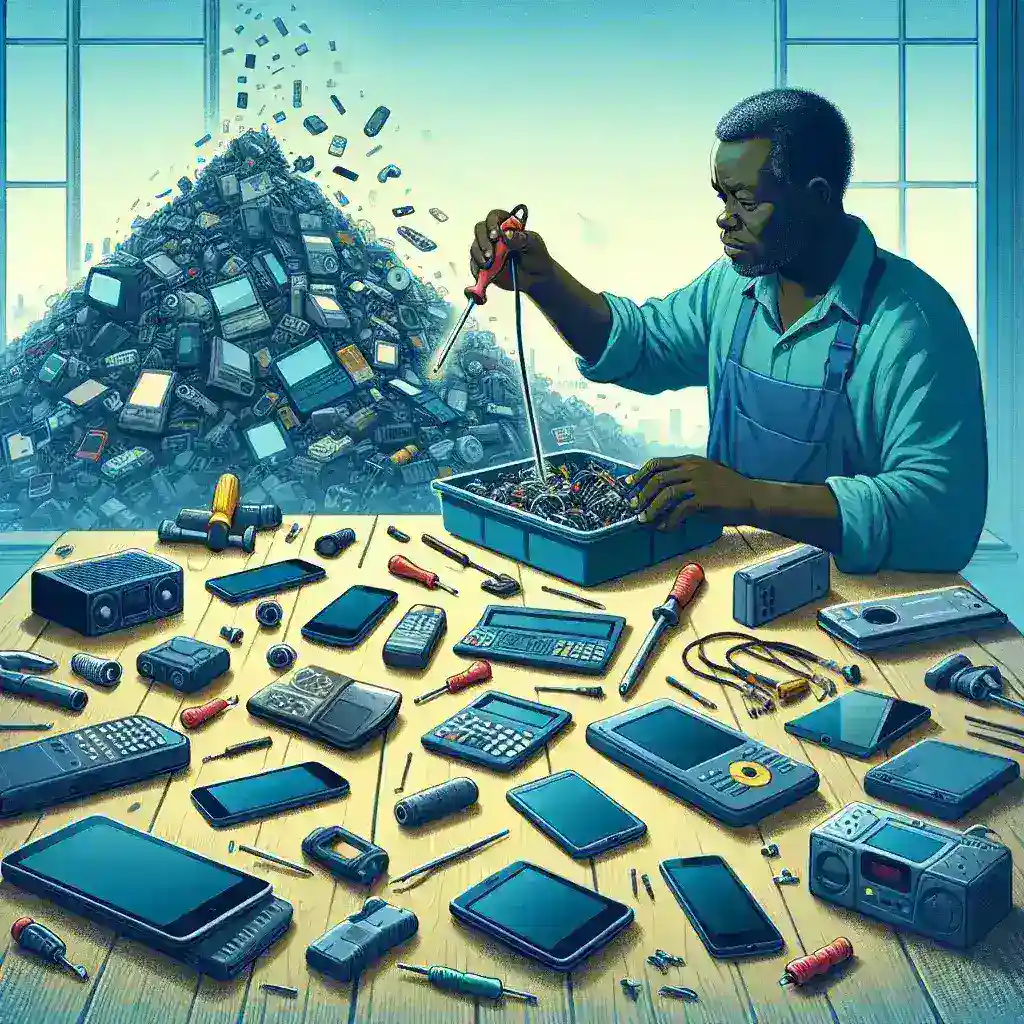
Repairable devices are designed to be easily disassembled and repaired, allowing consumers to extend the life of their products rather than discarding them. This approach contrasts with the current trend towards planned obsolescence, where manufacturers create products that are difficult to repair or upgrade, ultimately leading to more waste. By focusing on repairability, we can significantly mitigate the environmental impact of our electronic devices.
Benefits of Repairable Devices
- Environmental Impact: Repairable devices reduce e-waste by encouraging consumers to keep their devices longer and repair them instead of replacing them.
- Cost Savings: Repairing a device is often more economical than purchasing a new one. This cost-saving potential encourages consumers to invest in repairable products.
- Consumer Empowerment: Repairable devices promote a culture of self-sufficiency and resourcefulness, allowing consumers to take control of their technology.
- Innovation: The demand for repairable devices encourages manufacturers to innovate and create more sustainable products.
- Job Creation: Repairable devices can lead to the growth of local repair shops and services, generating job opportunities in communities.
Historical Context
The history of consumer electronics is marked by rapid innovation and change. In the early days of electronics, devices were built to last, with a focus on repairability. However, the introduction of modern manufacturing techniques, such as plastic casings and proprietary components, has made many devices harder to repair. This shift has contributed to the growing e-waste crisis.
Future Predictions
As awareness of the e-waste problem continues to grow, we can expect a shift toward more sustainable practices in the electronics industry. Many manufacturers are already beginning to prioritize repairability in their designs, driven by consumer demand and regulatory pressure. The rise of the circular economy, where products are designed for longevity and reuse, will likely play a significant role in shaping the future of technology.
How Consumers Can Support Repairability
Consumers play a crucial role in promoting repairable devices. Here are some practical steps to consider:
- Research Before You Buy: Before purchasing a new electronic device, research its repairability. Look for products that come with repair manuals, spare parts, and a robust warranty.
- Support Right to Repair Legislation: Advocate for laws that support consumer rights to repair their devices. These laws can hold manufacturers accountable for making their products repairable.
- Choose Repairable Brands: Opt for brands known for their commitment to repairability and sustainability. Support companies that prioritize these values in their product designs.
- Utilize Repair Services: Instead of replacing a broken device, consider professional repair services. Many local shops specialize in repairing various electronics.
- Educate Others: Share your knowledge about the importance of repairability and the impact of e-waste with friends and family. The more people understand the issue, the more collective action can be taken.
Case Studies
Numerous companies and individuals are leading the way in promoting repairable devices:
- Fairphone: This modular smartphone is designed to be easily repaired and upgraded, empowering users to extend the life of their devices.
- iFixit: This company provides repair guides and sells spare parts for various electronic devices, promoting a culture of repairability.
- Framework: A laptop designed for easy repair and customization, allowing users to upgrade components as needed, thus reducing waste.
Cultural Relevance
The push for repairable devices reflects a broader cultural shift toward sustainability and environmental consciousness. As consumers become more aware of their purchasing power, there is a growing movement advocating for responsible consumption. This shift is not just about individual choices; it is about creating a collective impact that can drive change in industries.
Statistics and Expert Insights
According to a study by the Ellen MacArthur Foundation, extending the life of products by just one year could reduce waste by 20-30%. Experts argue that repairable devices could be a game-changer in addressing the e-waste crisis. “Repairability is not just a nice-to-have; it is essential for a sustainable future,” says sustainability expert Dr. Emily Johnson.
Conclusion
Repairable devices offer a viable solution to the growing e-waste problem by promoting sustainability, consumer empowerment, and innovation. By choosing repairable products and advocating for repair-friendly policies, consumers can play an active role in reducing electronic waste. The future of technology lies not just in the newest gadgets, but in devices designed with longevity and repairability in mind.